5 Common Bookkeeping Mistakes Small Businesses Make (And How to Fix Them)
Proper bookkeeping is essential for small business success, yet many owners make the same preventable mistakes that lead to cash flow problems, HMRC penalties, and unnecessary stress. This guide reveals the five most common bookkeeping errors we see at Nava Accountancy: mixing personal and business finances, losing receipts and supporting documents, falling behind on record-keeping, incorrectly categorising expenses, and ignoring bank reconciliation. More importantly, we’ll show you exactly how to fix each mistake with practical solutions that bring clarity and control to your business finances.
Running a small business means wearing multiple hats, and bookkeeping often ends up at the bottom of the priority list. Yet proper bookkeeping is the foundation of good financial management and staying compliant with HMRC. When your records are accurate and up to date, you have the clarity you need to make confident business decisions.
The reality is that many small business owners make the same bookkeeping mistakes over and over again. These errors might seem minor at first, but they can lead to cash flow problems, missed tax deductions, HMRC penalties, or last-minute panic at year-end. The good news? Most of these mistakes are entirely preventable once you know what to watch out for.
In this guide, we’ll walk you through five of the most common bookkeeping mistakes we see at Nava Accountancy, and more importantly, show you exactly how to avoid them.

Mixing Personal and Business Finances
One of the biggest mistakes we see is business owners using personal bank accounts for business transactions, or worse, mixing both personal and business expenses in the same account. This might feel convenient when you’re starting out, but it creates a tangled mess that’s difficult to untangle at tax time.
When your personal and business finances are mixed together, it becomes almost impossible to track your true business expenses accurately. You’ll waste hours trying to separate legitimate business costs from personal spending. More importantly, this lack of clarity can lead to claiming incorrect expenses on your tax return, which could trigger an HMRC investigation.
How to fix it: Open a dedicated business bank account as soon as possible. Keep all business income and expenses flowing through this account. If you need to transfer money for personal use, make proper drawings or dividend payments and record them correctly. Professional bookkeeping support can help you establish these systems from day one, making your financial management far simpler as your business grows.
Not Keeping Receipts and Supporting Documents
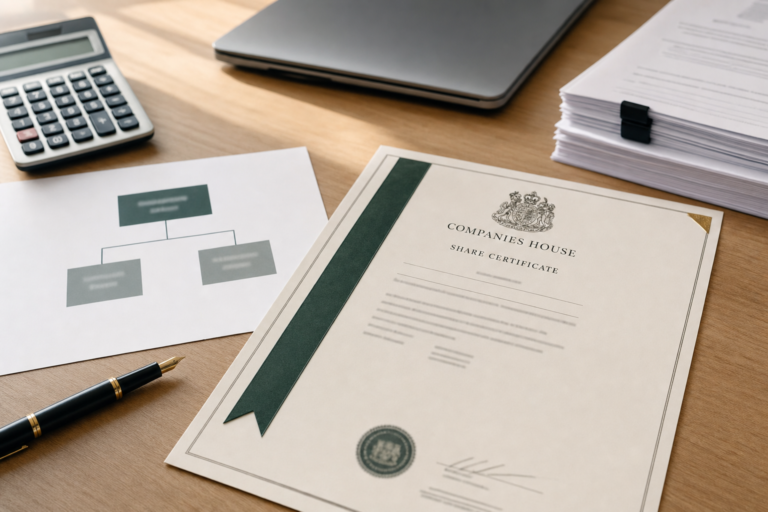
Every business expense you claim must be supported by proper documentation. Yet countless business owners throw away receipts, forget to save email confirmations, or never properly file their invoices. When HMRC comes knocking, or when you simply want to understand where your money went, missing receipts become a serious problem.
According to HMRC guidelines, businesses must keep records for at least five years for sole traders and six years for limited companies. Without these records, you can’t substantiate your expense claims, which means you could lose out on valuable tax deductions or face penalties for inaccurate returns.
How to fix it: Create a system for capturing receipts immediately. Use your phone to photograph paper receipts and store them digitally. Many modern accounting platforms like Xero integrate with receipt capture apps that make this process automatic. Set up clear folders (digital or physical) organised by month or category, and get into the habit of filing documents as soon as they arrive. Remember that digital records are perfectly acceptable to HMRC and often easier to manage than paper files.

Falling Behind on Record-Keeping
It’s easy to let bookkeeping slide when you’re busy serving customers and managing daily operations. Before you know it, weeks or months have passed without updating your records. This creates a backlog that feels overwhelming and makes it far more likely you’ll make errors or miss important transactions entirely.
Inconsistent record-keeping leads to inaccurate financial reports, which means you’re making business decisions based on incomplete information. You might think you have more cash available than you actually do, or you might miss warning signs that your business is heading for financial trouble. When year-end arrives, you’ll face a mountain of work to catch up, increasing the risk of missed deadlines and the stress that comes with them.
How to fix it: Schedule regular bookkeeping time in your calendar and treat it as non-negotiable. Even 30 minutes each week to reconcile transactions and file documents can prevent a massive backlog from building up. Consider whether Making Tax Digital requirements apply to you, as MTD mandates keeping digital records and submitting quarterly updates. Many business owners find that outsourcing their bookkeeping gives them peace of mind while freeing up time to focus on growing their business.
Incorrectly Categorising Expenses
Not all business expenses are treated equally for tax purposes, and misclassifying them can cost you money or create compliance problems. Common mistakes include claiming personal expenses as business costs, incorrectly categorising capital expenses as day-to-day running costs, or missing out on allowable expenses because you didn’t realise they were claimable.
For example, buying a laptop for your business is a capital expense that’s treated differently from buying office supplies. Similarly, travel costs between home and your regular workplace are typically not allowable, but travel to temporary work locations usually is. Getting these categories wrong affects your tax calculation and can trigger questions from HMRC.
How to fix it: Educate yourself on what expenses are allowable for your business structure, or better yet, work with someone who knows the rules inside out. When setting up your accounting software, ensure expense categories match HMRC requirements. If you’re unsure about a particular expense, ask your accountant before claiming it. Taking a few minutes to categorise correctly saves hours of corrections later and ensures you’re claiming everything you’re entitled to while staying fully compliant.

Ignoring Bank Reconciliation
Bank reconciliation means checking that the transactions recorded in your accounting system match what actually happened in your bank account. Many business owners skip this crucial step, assuming that if they’ve recorded everything, it must be correct. Unfortunately, this leaves the door wide open for errors, duplicate entries, missed transactions, and even fraud.
Without regular reconciliation, you won’t spot when payments haven’t cleared, when customers haven’t paid invoices, or when bank charges have been deducted. Your cash flow forecasting becomes unreliable, and you might make financial commitments based on money you don’t actually have available.
How to fix it: Reconcile your bank accounts at least monthly, ideally more frequently. Most accounting software makes this straightforward by automatically importing bank transactions and highlighting discrepancies. Review each unmatched transaction to understand why it doesn’t reconcile, then correct your records accordingly. This simple habit gives you confidence that your financial position is accurate and helps you spot issues before they become serious problems. If reconciliation feels overwhelming, professional support from experienced accountants can take this off your plate entirely.
The Bottom Line: Good Bookkeeping Pays for Itself
These common bookkeeping mistakes might seem like minor administrative issues, but they have real consequences for your business. Inaccurate records lead to poor decisions, missed opportunities for tax savings, compliance problems with HMRC, and unnecessary stress throughout the year.
The good news is that none of these mistakes are difficult to fix once you’re aware of them. Whether you choose to tighten up your own processes or work with a professional bookkeeper, investing time and attention in proper bookkeeping creates clarity, confidence, and control over your business finances.
At Nava Accountancy, we help small businesses across the UK establish reliable bookkeeping systems that work for them, not against them. From setting up the right software to handling your ongoing bookkeeping, we provide the support you need to stay on track and focus on growing your business. If you’re ready to transform your bookkeeping from a source of stress into a source of clarity, get in touch for a free discovery call to discuss how we can help.
Frequently Asked Questions
How long do I need to keep my bookkeeping records for HMRC?
Sole traders and partnerships must keep records for at least five years after the 31 January submission deadline of the relevant tax year. Limited companies must keep records for at least six years from the end of the accounting period. If you’re VAT registered, VAT records must be kept for six years. It’s always safer to keep records longer if you have the storage capacity, as HMRC can request them during compliance checks.
Can I do my own bookkeeping or should I hire a professional?
You can certainly do your own bookkeeping, especially if your business is straightforward and you’re comfortable with numbers. However, many small business owners find that working with a professional bookkeeper or accountant saves them time, reduces stress, and ensures accuracy. Professional support becomes particularly valuable as your business grows, when you’re VAT registered, or when you need reliable financial information to make important business decisions.
What’s the difference between bookkeeping and accounting?
Bookkeeping is the day-to-day recording of financial transactions, keeping track of income, expenses, invoices, and receipts. Accounting goes further by analysing and interpreting this financial data to provide insights, prepare tax returns, produce financial statements, and offer strategic advice. Think of bookkeeping as the foundation that accounting builds upon.
Is accounting software really necessary for small businesses?
While not legally required, accounting software has become essential for most small businesses, especially with Making Tax Digital requirements rolling out. Good software automates many tasks, reduces errors, connects directly to your bank account, and makes tax compliance much simpler. It also gives you real-time visibility of your financial position, which is invaluable for making informed business decisions.
What happens if I make mistakes in my bookkeeping?
If you discover bookkeeping errors, correct them as soon as possible. For minor mistakes caught early, simply adjust your records and move forward. For more significant errors that affect your tax returns, you should notify HMRC and submit an amended return if necessary. HMRC is generally more lenient with genuine mistakes that you proactively correct compared to errors discovered during an investigation. Persistent or deliberate errors can lead to penalties and interest charges.
How often should I update my bookkeeping records?
The more frequently you update your records, the better. Weekly is ideal for most small businesses, though some find daily updates work best, especially if they have high transaction volumes. At minimum, you should update your bookkeeping monthly and reconcile your bank accounts. Regular updates prevent backlogs from forming, ensure your financial information is current, and make it easier to spot issues before they become problems.
What’s the best way to organise receipts and invoices?
Digital organisation is now the most practical approach. Photograph or scan receipts immediately and store them in a cloud-based system organised by month or category. Many accounting software platforms offer built-in receipt capture through mobile apps. For physical receipts, keep them in monthly folders until you’re confident your digital copies are secure and accessible. Always maintain both sales and purchase invoices separately, and never throw away originals until you’re past the legal retention period.